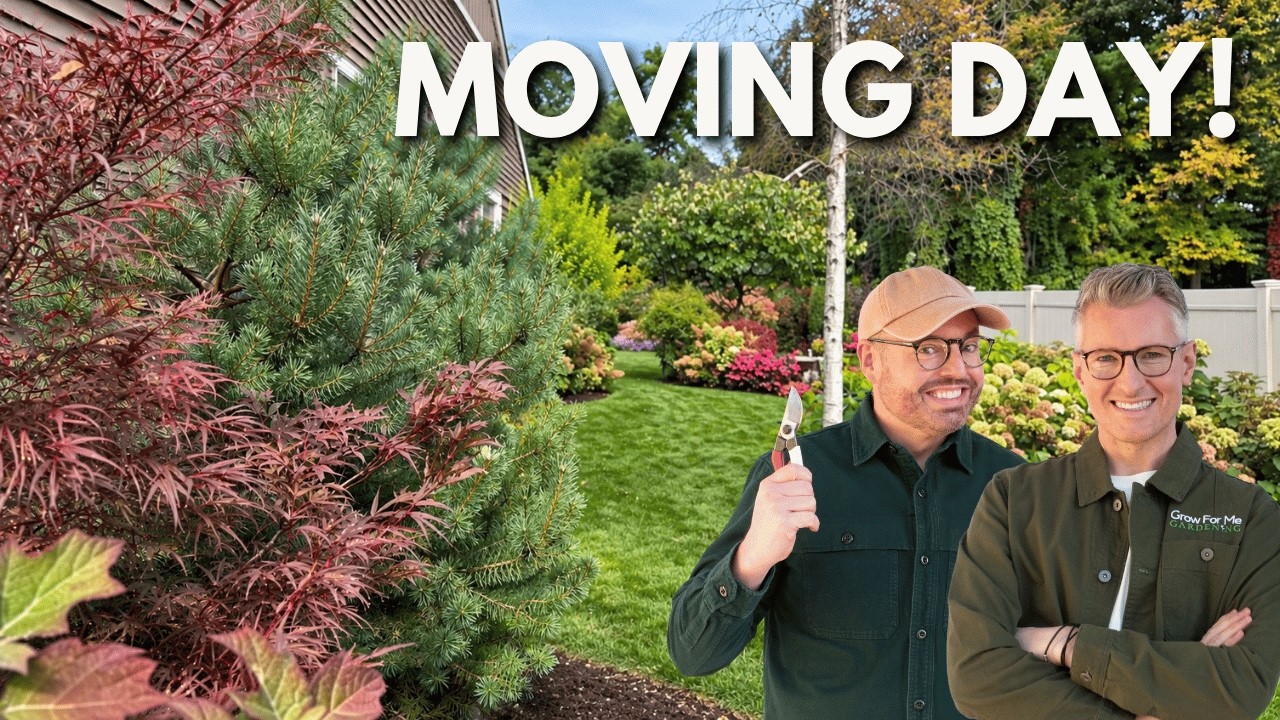
Fall is settling into our Zone 6A garden here in upstate New York, and this might be one of our favorite times of year to walk through the garden.
The hydrangeas are changing color, ornamental grasses are glowing, roses are sending out another flush of blooms, and some plants that quietly played supporting roles all summer are suddenly stealing the show.
But this fall garden tour is also about change. We’re expanding beds, moving plants, removing things that haven’t performed the way we hoped, and already making plans for next year’s garden.
Come take a walk through the September garden with us.
It probably won’t surprise anyone that hydrangeas are one of the biggest stars of our fall garden.
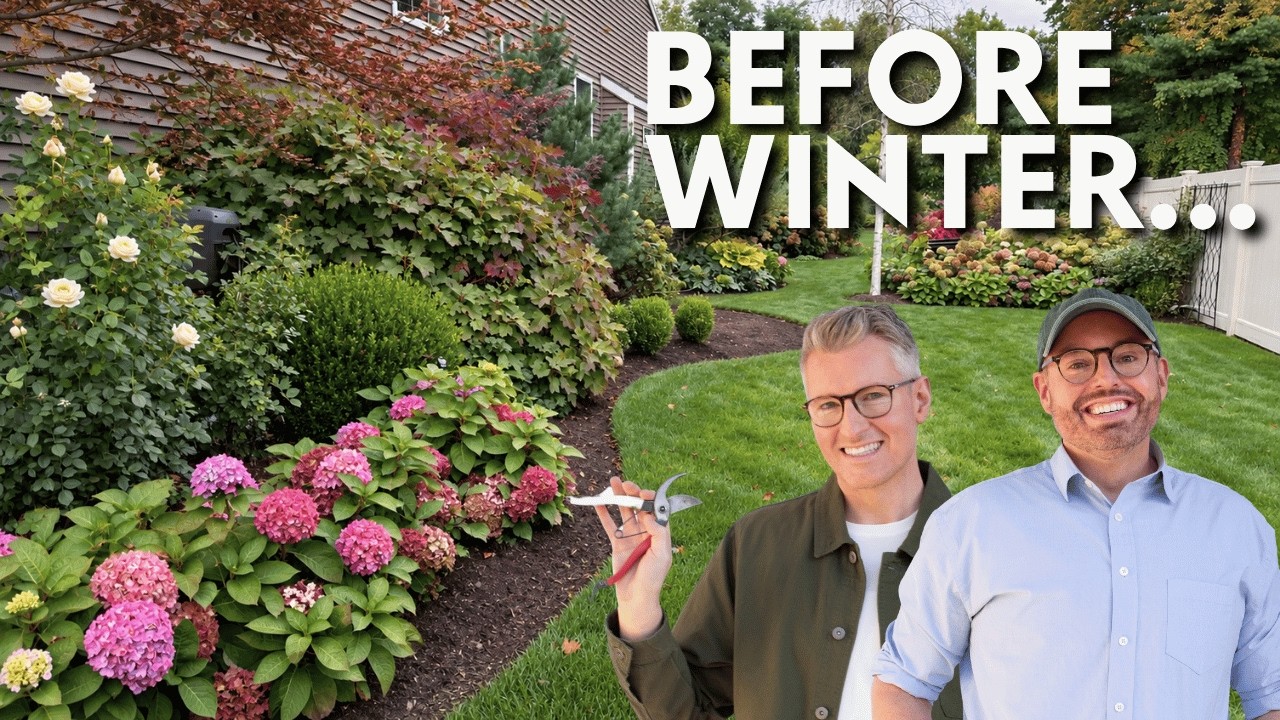
One of the first you’ll see is Fire Light Tidbit® panicle hydrangea, a compact variety that packs an incredible amount of color into a small shrub. At this point in the season, one plant can have everything from newer blooms to fully aged deep pink flowers at the same time.
That compact habit also makes Fire Light Tidbit a great foundation plant where you want hydrangea impact without an enormous shrub.
Elsewhere in the garden, Limelight Prime® is showing off rich pink flowers against its dark foliage and strong stems, while Tiny Quick Fire® has developed an especially deep fall color.
Then there’s Little Lime Punch®, which might have some of the richest color in the garden right now. We’ve had ours since 2022 and keep them pruned to fit the space. They’re somewhat slower growers, but those strong stems and intense flower color make them worth it.
If you’re deciding between Little Lime® and Little Lime Punch®, there’s a noticeable difference in our garden: Little Lime produces a larger bloom, while Little Lime Punch gives us more intense fall color.
And if pink isn’t what you’re looking for, take a look at Puffer Fish®. Its large, fluffy panicles tend to stay much whiter as they age instead of developing the deep pink tones we see on many other panicle hydrangeas.
One of the most exciting things to see in September is hydrangeas that aren’t finished yet.
Our Let’s Dance® Rhythmic Blue® had an enormous first flush of flowers, followed by new growth and another round of blooms. Even now, there are more flowers developing.
Let’s Dance Sky View® has also been an impressive continuous bloomer for us. Some flowers are aging while others are opening, and there are still brand-new buds forming.
That’s especially valuable in a cold-climate garden, where reliable blooming can be a challenge with some bigleaf hydrangeas.
Our Gatsby Pink® oakleaf hydrangea is doing something completely different. Its foliage is just beginning its transition to the deep, leathery burgundy-red color that makes this one of our favorite shrubs for fall.
Want to grow better hydrangeas? Our Hydrangea Handbook walks you through choosing, planting, pruning, watering, and caring for hydrangeas, with the information we wish we’d had when we started growing them.
Hydrangeas aren’t the only plants changing the look of the garden.
One of our favorite combinations right now pairs the dark red tones of Night Embers™ sedum with the golden foliage of Ember Waves® western arborvitae. Nearby, blue-toned foliage adds another layer of contrast.
Ornamental grasses are also hitting their stride.
October Skies switchgrass has been especially interesting, with tones that somehow read orange, lavender and even pink depending on the light. Blackhawks big bluestem provides another dramatic dark contrast against blue and purple foliage nearby.
We’re also starting to see berries on our winterberry hollies again after deer and rabbits prevented us from enjoying much of the display in previous years.
This is one of the reasons we love thinking beyond flowers when designing a garden. Foliage color, texture, berries, bark and plant structure can keep a garden interesting long after peak summer bloom.
Every gardening season teaches us something, and there are several plants and combinations we’re already making notes about for next year.
SunPatiens® were incredibly dependable performers, although some colors impressed us more than others.
Angel Face® Super Blue angelonia was another surprise. We had never grown it before, and it performed beautifully in an area that doesn’t have dedicated drip irrigation.
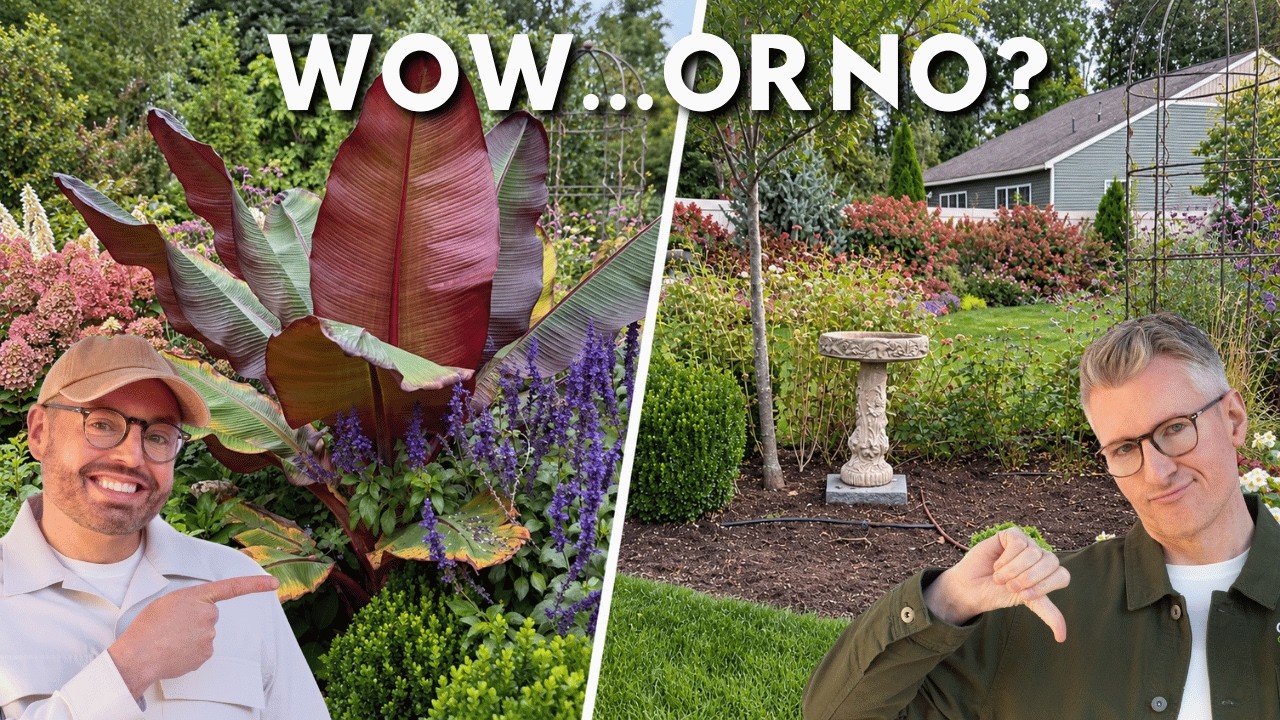
Our annual castor beans, grown from seed, have become almost tree-like by fall and make a huge architectural statement in the garden.
And Verbena bonariensis continues to be one of those plants we’re happy to let reseed. It creates that airy, see-through layer of purple flowers that works beautifully among larger shrubs and perennials.
Sometimes the best garden discoveries aren’t necessarily the plants you expected to love at the beginning of the season.
A garden is never really finished, and ours is certainly proving that this fall.
We’ve expanded beds, created new pathways and opened up additional planting spaces. On the west side of the house, our newer border has grown tremendously considering much of it was only planted in May 2025.
We’re also continuing our “green wall” along this side of the property using evergreens including North Pole® arborvitae, Soft Serve® false cypress and other structural plants.
One of the biggest lessons we’re carrying into next year is the importance of scale.
In one area of the garden, the opposite side of the berm feels full and substantial because it contains larger shrubs. The other side feels flatter because most of the plants sit at roughly the same height.
The solution isn’t necessarily more plants.
It’s more variation in height and structure.
We’ll be introducing some larger shrubs and low-maintenance plants to give that area more visual weight.
We also removed several plants this season, and that’s part of gardening too.
Our Steady Eddy® viburnums had been given several years to establish. We adjusted their water and waited to see if performance would improve, but eventually decided the amount of space they occupied wasn’t justified by what they were contributing to the garden.
We’ve also removed hydrangeas that weren’t blooming reliably in particular locations and boxwoods that suffered too much winter damage to recover well.
And some plants simply became too large for their spaces.
That’s an important lesson we’ve learned over and over: keeping a plant just because it’s alive isn’t always the best decision for the overall garden.
If something isn’t performing, doesn’t fit the space anymore, or creates more maintenance than enjoyment, it’s okay to move it, replace it or pass it along.
One of our biggest goals for next year is simple:
Lower maintenance.
As the garden has matured, we’ve learned that maintenance isn’t just about whether an individual plant is “easy.” It’s also about where that plant is located and how accessible it is.
For example, we love Walker’s Low catmint and don’t mind cutting it back several times during the season to encourage another flush. But as the surrounding plants grew, reaching some of those areas became increasingly difficult.
That’s making us rethink what belongs there.
We’re also paying closer attention to irrigation. In areas without drip irrigation, we’re looking for plants that can tolerate drier conditions or thrive with the sprinkler coverage they already receive. Russian sage is one plant we’re adding to a dry section of our green wall for exactly that reason.
Good garden design isn’t just about how everything looks when you plant it.
It’s also about how you’re going to care for it three or five years from now.
One of the benefits of a fall garden tour is seeing the garden differently than you do in June or July.
By September, you can clearly see which plants filled their spaces, which combinations worked, where the garden needs more structure and where maintenance has become difficult.
Before everything goes dormant, take photos and make notes about:
Areas that feel too flat or need more height
Plants that outgrew their spaces
Empty spots that appeared after spring or summer plants finished
Combinations you want to repeat
Plants that required more maintenance than expected
Areas where watering was difficult
Shrubs and perennials with especially good fall interest
You don’t have to fix everything right now.
Sometimes the best thing you can do is let an idea simmer over the winter before making changes in spring.
That’s exactly what we’re doing in several areas of our garden.
There are still weeks left in our gardening season, plenty of fall color yet to come, and—as always—more changes on the horizon.
Thanks for growing with us.
Join our gardening journey and grow alongside us. From seed starting to full garden tours, we share tips, inspiration, and the joy of growing beautiful spaces.
We respect your privacy and will never share your information. Thanks for growing with us!
Get seasonal tips, behind-the-scenes from our garden, and be the first to know what we’re planting, pruning, and loving.
As a thank you, we’ll send you our favorite tried-and-true plants — the ones we grow in our own garden.