If your garden looks rough right now… you’re not doing anything wrong.
In fact, this might be exactly what it’s supposed to look like.
Late March in a Zone 6A garden is not pretty. It’s messy, muddy, full of winter damage, and honestly — a little discouraging if you’re not used to it.
But here’s the shift that changed everything for us:
We stopped seeing this as a problem… and started seeing it as part of the process.
Today, we’re taking you through our full March garden tour — showing you what looks bad, what’s completely normal, and what actually needs your attention right now.
We’ll say it plainly:
This is the worst our garden looks all year.
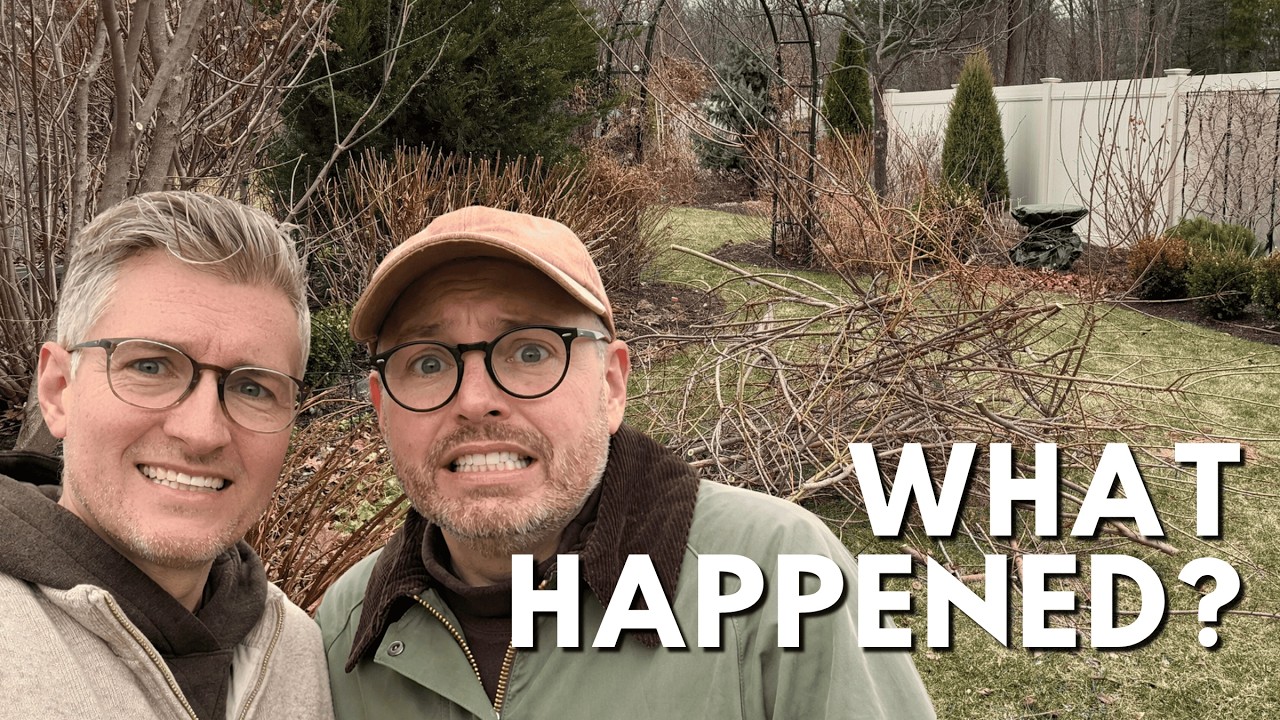
Burnt tips. Broken branches. Puddles. Winter damage. Even a little trash blown in from the neighbors (real life, right?).
But after years of gardening, we’ve learned something important:
Early spring is not about how your garden looks — it’s about what it’s about to become.
Once you understand that, everything feels a lot less stressful.
One of the biggest mindset shifts?
Not everything that looks bad is actually a problem.
You might notice:
In most cases, this is completely normal after a tough winter.
What to do:
Patience is key here.
Every year, there are losses.
For us this season:
And honestly?
That’s part of gardening.
Sometimes it’s not you. Sometimes it’s the weather. Sometimes it’s pushing the limits of your zone.
We replace, adjust, and keep going.
Before you give up on a plant — do a quick scratch test.
Lightly scratch the bark:
We use this constantly in early spring, especially for:
It’s simple, but it works.
Even when everything looks rough, there are always signs of life if you know where to look.
In our garden right now:
These small signs are everything.
They’re the reminder that your garden is already coming back.
March is not about doing everything.
It’s about doing the right things.
You’ll notice:
Start tidying — but don’t rush it.
Some debris actually protects plants from late frosts.
Not everything should be cut back yet.
We’re waiting on:
Timing matters, especially with late frosts still possible.
This is one of the best times of year to:
Because you can actually see the structure right now.
This is also the season where we start thinking about changes.
In our garden, that includes:
(And yes — we’re fully in the “should we move this or not?” phase.)
One of the biggest lessons we’ve learned?
Your garden is always evolving.
Plants grow bigger than expected.
Designs shift.
Things that worked one year might not the next.
Right now, we’re:
And that’s normal.
A garden is never “done.”
If you garden in a colder zone, this is important.
You might see:
And then…
A late frost hits.
It happens.
Some plants (especially bigleaf hydrangeas) can lose early buds, but many will recover — especially newer, hardier varieties.
This is why we don’t rush cleanup or pruning too early.
Even with everything looking rough, there’s so much to look forward to.
We’re especially excited for:
This is the turning point.
If your garden looks messy right now… you’re doing it right.
This is the season of transition.
The season where everything looks uncertain — but everything is actually in motion.
Give it time.
Trust the process.
And keep going.
Spring is coming.
Join our gardening journey and grow alongside us. From seed starting to full garden tours, we share tips, inspiration, and the joy of growing beautiful spaces.
We respect your privacy and will never share your information. Thanks for growing with us!
Get seasonal tips, behind-the-scenes from our garden, and be the first to know what we’re planting, pruning, and loving.
As a thank you, we’ll send you our favorite tried-and-true plants — the ones we grow in our own garden.