There’s something about early spring in the garden that feels full of possibility.
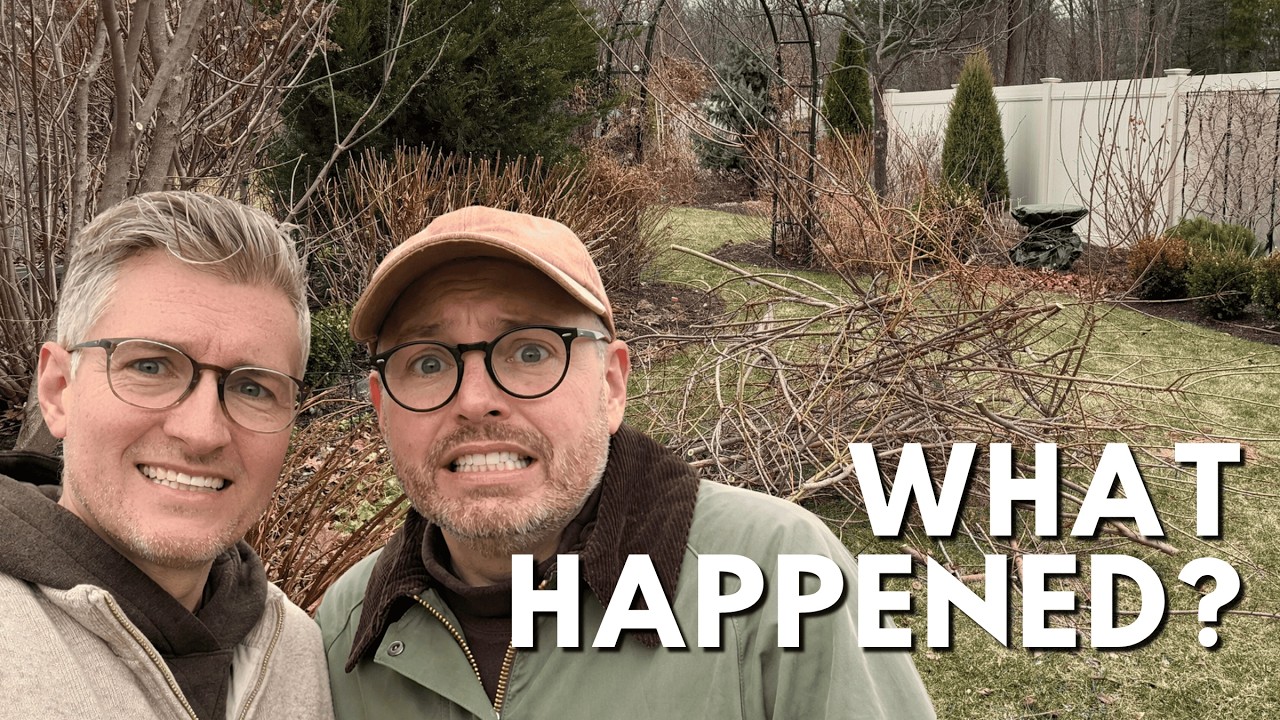
It might not look like much yet — bare branches, lingering winter damage, a whole lot of “what happened here?” — but this is one of the most important moments of the entire gardening season.
Because what you do now sets the stage for everything that follows.
Today, we’re walking you through exactly how we prune trees in our Zone 6A garden in early spring — including Japanese maples, river birch, redbuds, and even a smoke bush that got a serious haircut.
If you’ve ever stood in your yard wondering where do I even start? — this is for you.
Before you think about shaping, design, or aesthetics, there’s one rule we follow every single time we pick up the pruners:
Start with the 3 D’s:
These are your easiest decisions — and they make the biggest impact right away.
On our Japanese maples, this step is especially simple. Dead branches often turn pale or white and will snap easily when you bend them. Removing these first instantly cleans up the tree and makes everything else easier to see.
From there, move on to crossing branches.
Once the obvious problem branches are gone, the next step is improving airflow and structure.
Look for:
A good rule of thumb we love?
You should be able to imagine a bird flying into the tree and landing comfortably.
If it feels too crowded for that, it’s probably too crowded for the plant.
For upright varieties, pruning is mostly about:
We’re not trying to drastically change the shape — just enhance what’s already there.
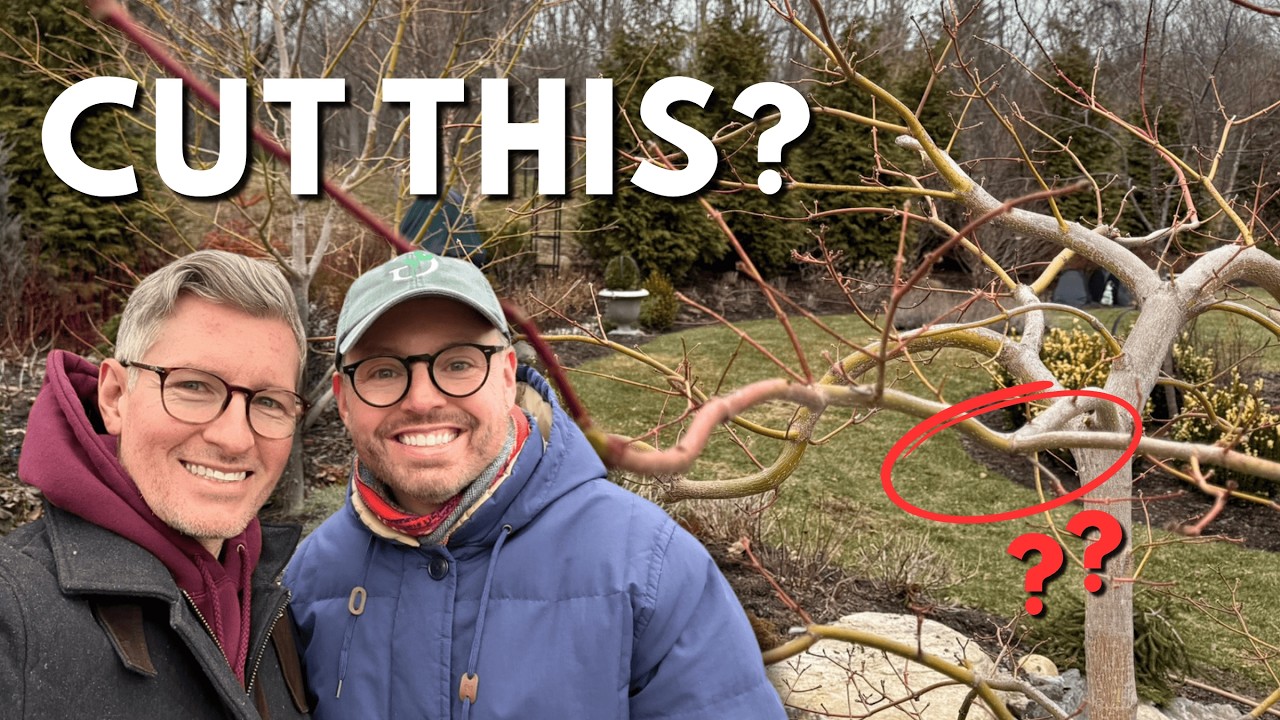
Weeping varieties (like our Ice Dragon) are where things get a little more artistic.
With these, we focus on:
Sometimes that means making bold cuts.
And yes… sometimes it feels a little scary.
But we’ve learned that thoughtful pruning almost always pays off.
This is something we’ve had to learn over time.
At first, we were cautious. Maybe too cautious.
But plants — especially established ones — are far more resilient than you think.
For example:
The key is making intentional cuts — not random ones.
River birch is one of our favorite trees to prune.
Why?
Because pruning does two important things:
We like to:
The result is a tree that feels lighter, more open, and much more intentional in the landscape.
Sometimes… pruning isn’t delicate.
Sometimes it’s a full reset.
Our winecraft gold smoke bush had grown way beyond its intended size — blocking views and overpowering nearby plants.
So instead of tip-toeing around it, we:
Important note:
Hard pruning like this often sacrifices blooms (since many shrubs bloom on old wood), but the tradeoff is bold, vibrant foliage and better long-term shape.
For us, that’s worth it.
Good tools make all the difference when pruning.
Our go-to for nearly everything?
They’re incredibly sharp, clean-cutting, and precise — which matters more than you think. Clean cuts heal faster and reduce stress on the plant.
If you’re going to invest in one tool this season, make it a high-quality pair of pruners.
This is the part no one really talks about.
At some point, you have to step back and say… that’s enough.
We like to pause and look at the tree from a distance:
If the answer is yes — put the pruners down.
(Or at least try to… we’ll admit, this is the hardest part.)
This moment — right before everything leafs out — is your opportunity.
To shape.
To reset.
To guide your garden in the direction you want it to go.
It might not look like much now.
But give it a few weeks… and everything you did here will start to show.
Pruning can feel intimidating at first.
But the more you do it, the more confident you become.
Start simple. Focus on the 3 D’s. Don’t overthink it.
And remember — plants want to grow.
You’re just helping guide them.
Join our gardening journey and grow alongside us. From seed starting to full garden tours, we share tips, inspiration, and the joy of growing beautiful spaces.
We respect your privacy and will never share your information. Thanks for growing with us!
Get seasonal tips, behind-the-scenes from our garden, and be the first to know what we’re planting, pruning, and loving.
As a thank you, we’ll send you our favorite tried-and-true plants — the ones we grow in our own garden.