Spring is the perfect time to tackle garden enhancement projects. Recently, we spent a day in our Zone 6A garden in upstate New York adding new specimen trees, transplanting struggling perennials to better locations, and setting up our proven deer protection system. These strategic improvements will enhance our garden’s beauty while ensuring our precious plants remain safe from hungry visitors.
This post may contain affiliate links. If you purchase through these links, we may earn a small commission at no additional cost to you. We only recommend products we truly love and use in our own garden.
Our first project focused on adding a stunning new Japanese maple variety to our east border. When selecting a location for a specimen tree, we consider several key design elements:
The Metamorphosa Japanese maple from Proven Winners perfectly satisfies these criteria. This newer introduction features dissected leaves that emerge with a yellow-chartreuse color, developing pink margins that fade to white. As summer progresses, the foliage blushes with orangey-red tones before turning a deep violet-red in fall.
What makes this maple particularly special is its more shrubby, compact habit. With a variable height of 3-13 feet (suggesting its size is controllable and sun-dependent), it’s perfect for nestling beneath our Eastern redbud tree where it will receive 4-6 hours of filtered sunlight.
We planted our Metamorphosa in a spot previously occupied by a Gertrude Jekyll rose that struggled in the location’s part-shade conditions. The maple’s placement within a sea of perennials—primarily Bumblesky meadow sage with pale blue flowers and serendipity alliums—creates a perfect backdrop that will showcase its distinctive foliage.
Here’s our simple planting approach:
We were pleased to notice how several years of mulching with compost has dramatically improved our soil quality. What was once chalky, clumpy backfill has transformed into richer, more workable garden soil.
Our garden includes a naturally low, wet area where we’ve installed a small dry creek bed to manage water flow. This spot provided the perfect opportunity to add an Avalanche birch, a Japanese variety known for its exceptionally white bark and resistance to borers.
We positioned this new specimen near an existing river birch clump planted in 2019, which has grown impressively from a similar small size. The Avalanche birch’s bright white bark will create striking contrast against the nearby Green Giant arborvitae and blue Moffett juniper.
To enhance this wetland vignette, we also transplanted an Arctic Fire red twig dogwood that prefers consistently moist conditions. The combination of the dogwood’s red winter stems, the birch’s white bark, the juniper’s icy blue, and the arborvitae’s deep green perfectly executes our four-color design palette.
When planting in wet areas:
No garden stays static, and sometimes plants need to be relocated as conditions change or initial placements prove less than ideal. We noticed our Connecticut Yankee mix delphiniums were struggling in a too-shady location, causing them to flop rather than stand tall.
This strategic relocation offers multiple benefits:
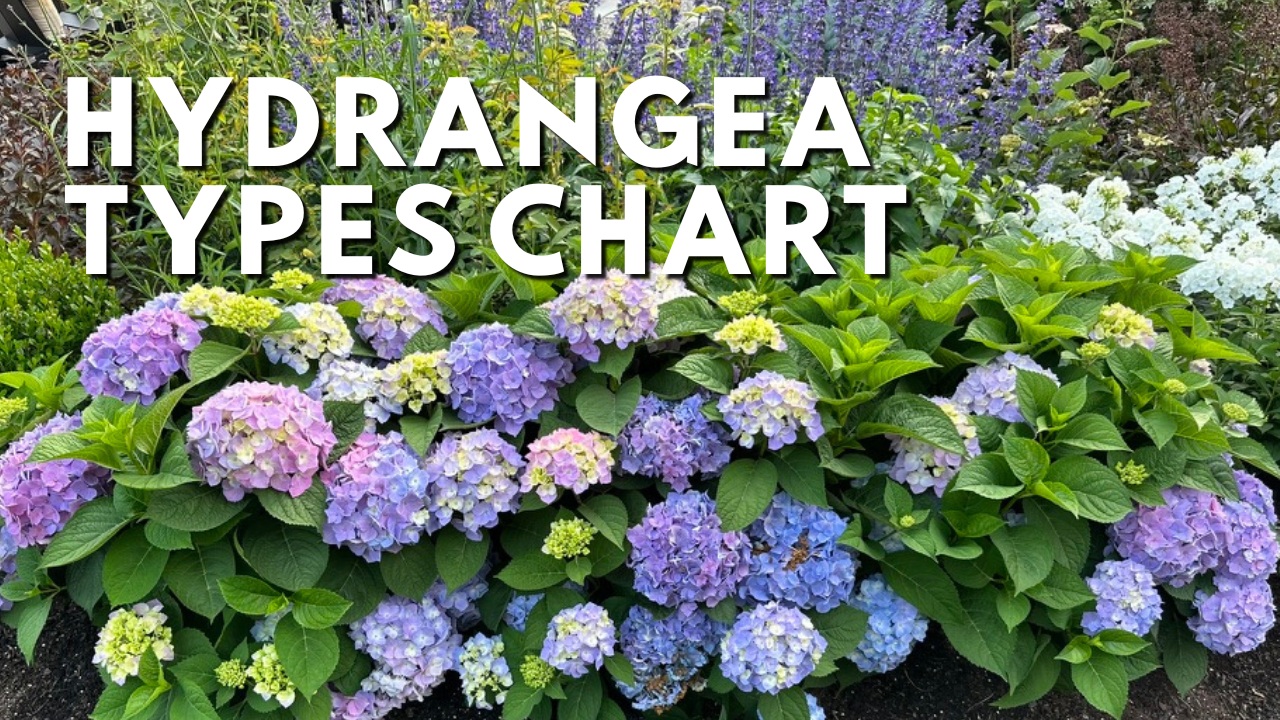
With all our new plantings and emerging spring growth, protecting our garden from deer became our final priority. After success last season with motion-activated sprinklers, we expanded our deer deterrent system to cover more vulnerable areas, particularly our prized hydrangea collection.
The clever Yard Enforcer system combines multiple deterrents to effectively keep deer away:
We installed two units to protect our hydrangea room and valuable border plantings:
Using flexible fabric hoses helped us navigate around existing plantings while providing the necessary water pressure. Once the emerging lamium groundcover fills in, the hoses will be virtually invisible in the landscape.
The proof of this system’s effectiveness? Last year, our hydrangeas remained completely untouched by deer despite their presence in the neighborhood.
These early spring projects demonstrate how thoughtful additions and adjustments can significantly enhance a garden’s beauty and resilience. By selecting plants suited to specific microclimates (like wet areas or dappled shade), relocating struggling specimens to more favorable conditions, and protecting our investments from wildlife damage, we’re setting our garden up for success this growing season.
What makes these projects particularly satisfying is how they build on our garden’s existing framework. The new Japanese maple complements the established redbud while adding a new textural element. The Avalanche birch enhances an already successful birch grouping. The transplanted delphiniums will create new color echoes with neighboring roses and hydrangeas. And our expanded deer protection system builds on last year’s proven success.
As your garden awakens this spring, consider what strategic additions or adjustments might take your landscape to the next level. Sometimes the most impactful changes aren’t about adding dozens of new plants, but rather about making thoughtful enhancements that build on your garden’s existing strengths.
Thanks for growing with us!


Join our gardening journey and grow alongside us. From seed starting to full garden tours, we share tips, inspiration, and the joy of growing beautiful spaces.
We respect your privacy and will never share your information. Thanks for growing with us!
Get seasonal tips, behind-the-scenes from our garden, and be the first to know what we’re planting, pruning, and loving.
As a thank you, we’ll send you our favorite tried-and-true plants — the ones we grow in our own garden.